Canada trip planning starts with deciding what to leave out, especially on a first visit. A country-wide wish list can become a holiday spent moving luggage. Start with the kind of experience you want, choose a manageable region, and allow proper time for the journey between stops.
Canada trip planning: choose your travel style
Pick the experience you would most regret missing: mountains and lakes, a city break, coastal scenery, food and culture, or a mix within one region. Use that answer to choose an arrival point and a realistic base. Do not book flights into different cities until you have checked the journey connecting them.
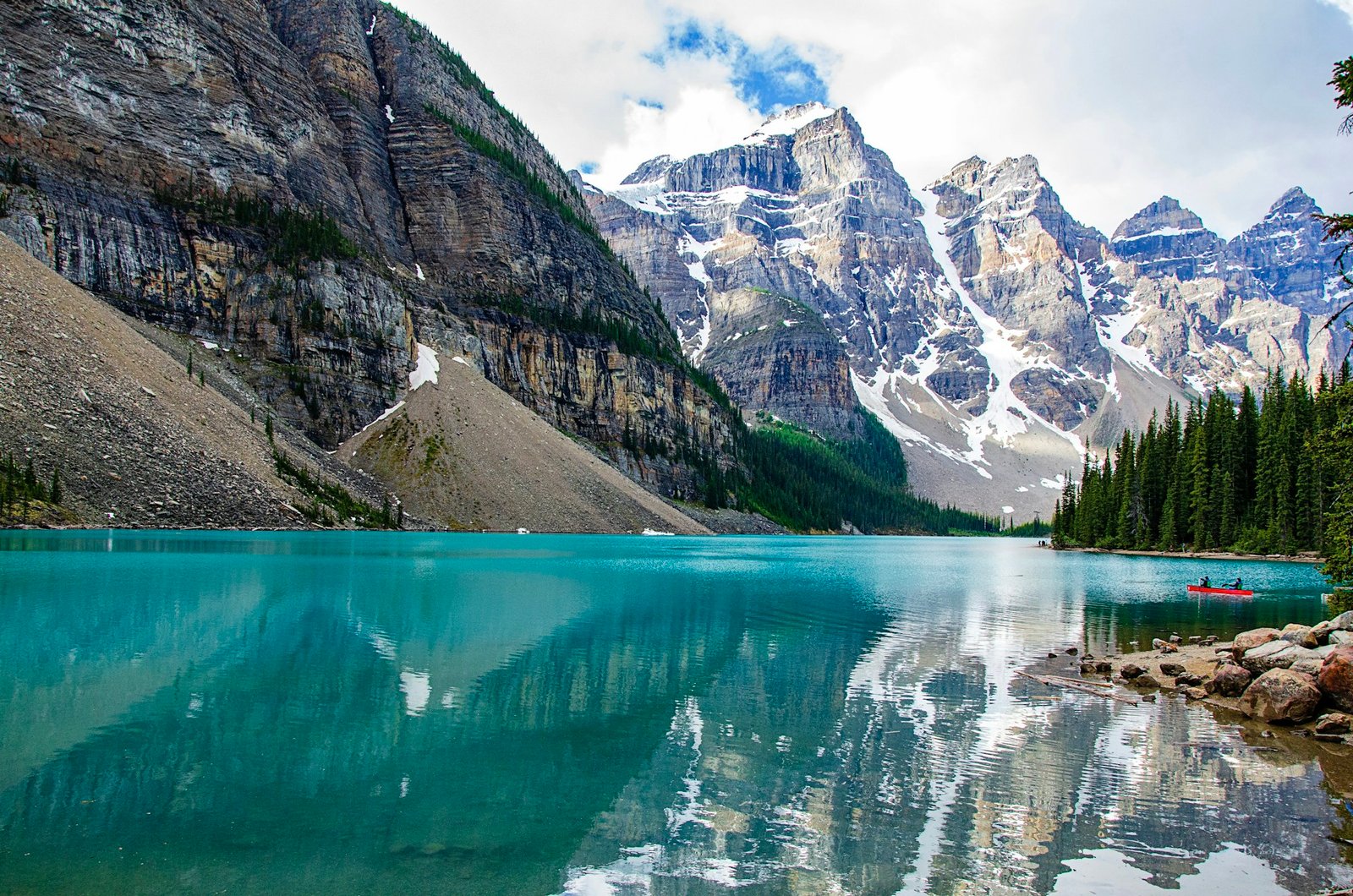
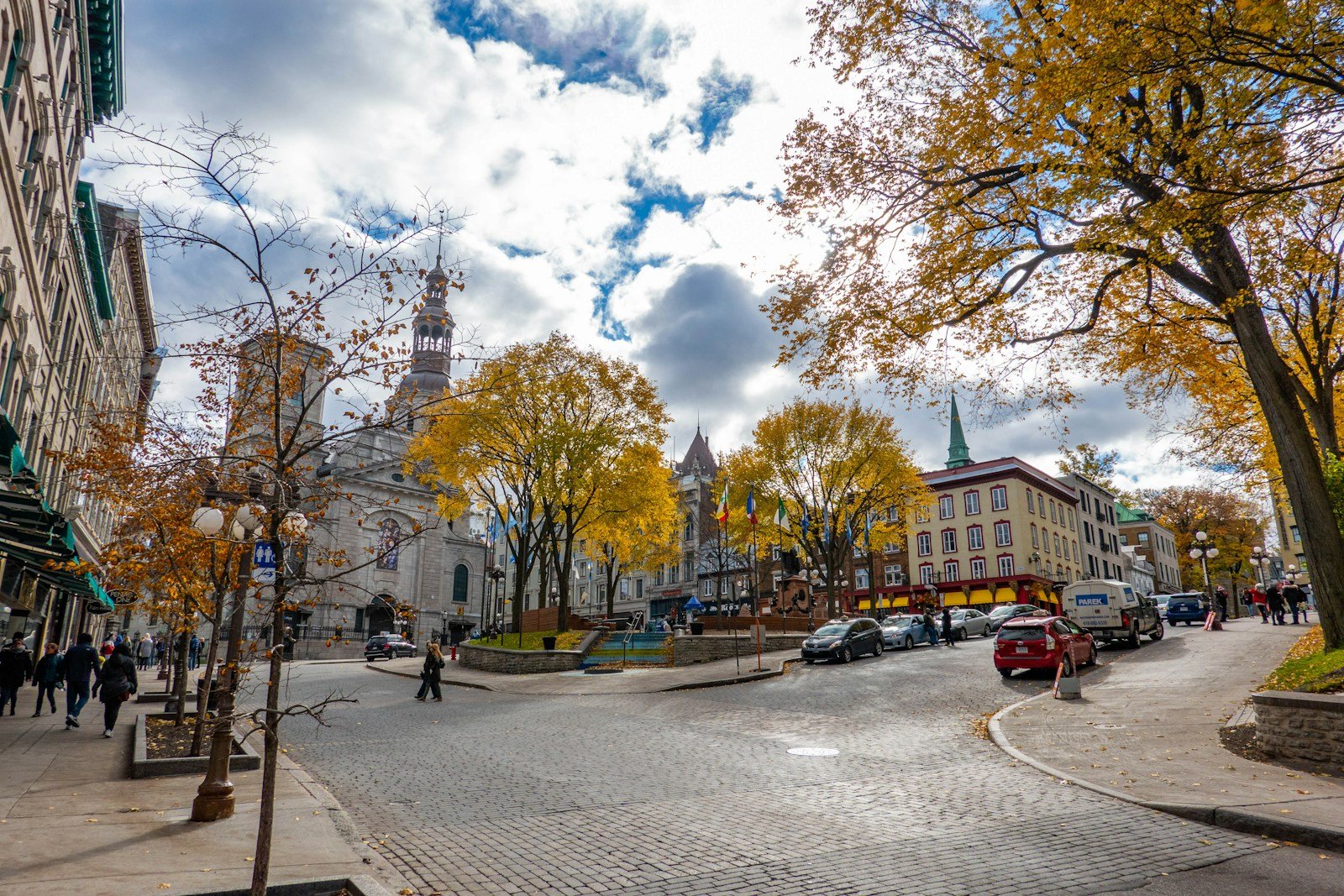
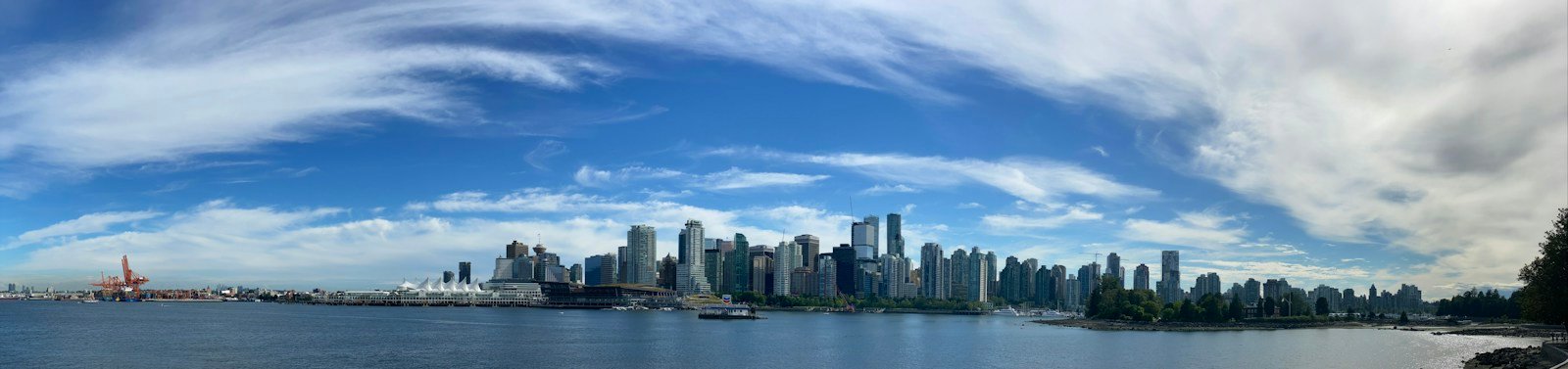
A short visit can be rewarding without being geographically ambitious. Our Vancouver itinerary, Québec City weekend, and Banff itinerary are separate starting points, not a suggestion to combine all three in one week.
Build around the days you really have
Count full usable days after arrival and before departure. Put transfers on the calendar before attractions. Include checking out, reaching a station or airport, collecting a vehicle, and finding the next hotel. A travel day is rarely a free sightseeing day in disguise.
For a week, consider one region with a main base and an optional second stop. With more time, add another place only if the connection is part of the trip you want. Keep an unscheduled day or half-day to recover from a delay or revisit something you enjoyed.
Choose a season for the experience
Make a list of what must be open or accessible for the trip to work. Check those specific experiences before picking travel dates. A season that suits city exploring may not suit the mountain walk or lake visit you have in mind.
Do not rely on a single country-wide best month. Weather and conditions vary by region, elevation, and year. Check local forecasts, park bulletins, and transport schedules close to departure. Build an indoor or lower-commitment alternative into outdoor days.
Create a complete trip budget
Compare accommodation, transport, food, activities, and a contingency amount. Include taxes and mandatory fees when pricing rooms or vehicle rentals. Check parking, luggage charges, cancellation rules, and one-way rental conditions where relevant.
Decide which spending improves the trip most for you. A convenient hotel can save daily travel; a kitchen can change meal costs; a flexible ticket can reduce the impact of uncertain plans. Use actual quotes for your dates rather than treating an example budget as a promise.
Book the constraints before the extras
Reserve the accommodation and essential transport that make your route possible, then fit optional attractions around them. Save booking confirmations offline. Review the name, date, location, and cancellation deadline on each reservation.
Check your entry and travel-document requirements using the Government of Canada’s official resources. Requirements depend on your circumstances and can change. This guide does not determine whether you are eligible to enter Canada.
Canada trip planning checklist
- Choose a region and a manageable number of bases.
- Confirm current travel-document requirements through the official source.
- Check seasonal access for essential experiences.
- Compare room and transport costs using your exact dates.
- Save reservations and leave a weather alternative.
- Use our accommodation checklist before booking.
Travel respectfully: follow local guidance, use designated routes, and seek out Indigenous-led tourism experiences through the operators who offer them. The goal is a trip with time to notice where you are.
Official resources for your planning
This is an independently prepared suggested itinerary or planning guide, not a claim of a personally inspected hotel stay. Check operators and official sources for current access, schedules, and prices. How we prepare our guides.